
Breaking the Bias: Why Market-Access Teams Must Avoid Common Thinking Traps in Pharma Acquisitions
Many M&A teams do not pay enough attention to market-access risks. Yet simple thinking errors on the buyer’s side can hide payer challenges—often until it’s too late.
Even with careful clinical and commercial checks, more than half of pharma deals miss their predicted value. This usually happens because teams underestimate or ignore market-access issues. Adding an independent HTA view early can expose these blind spots and make deals safer.
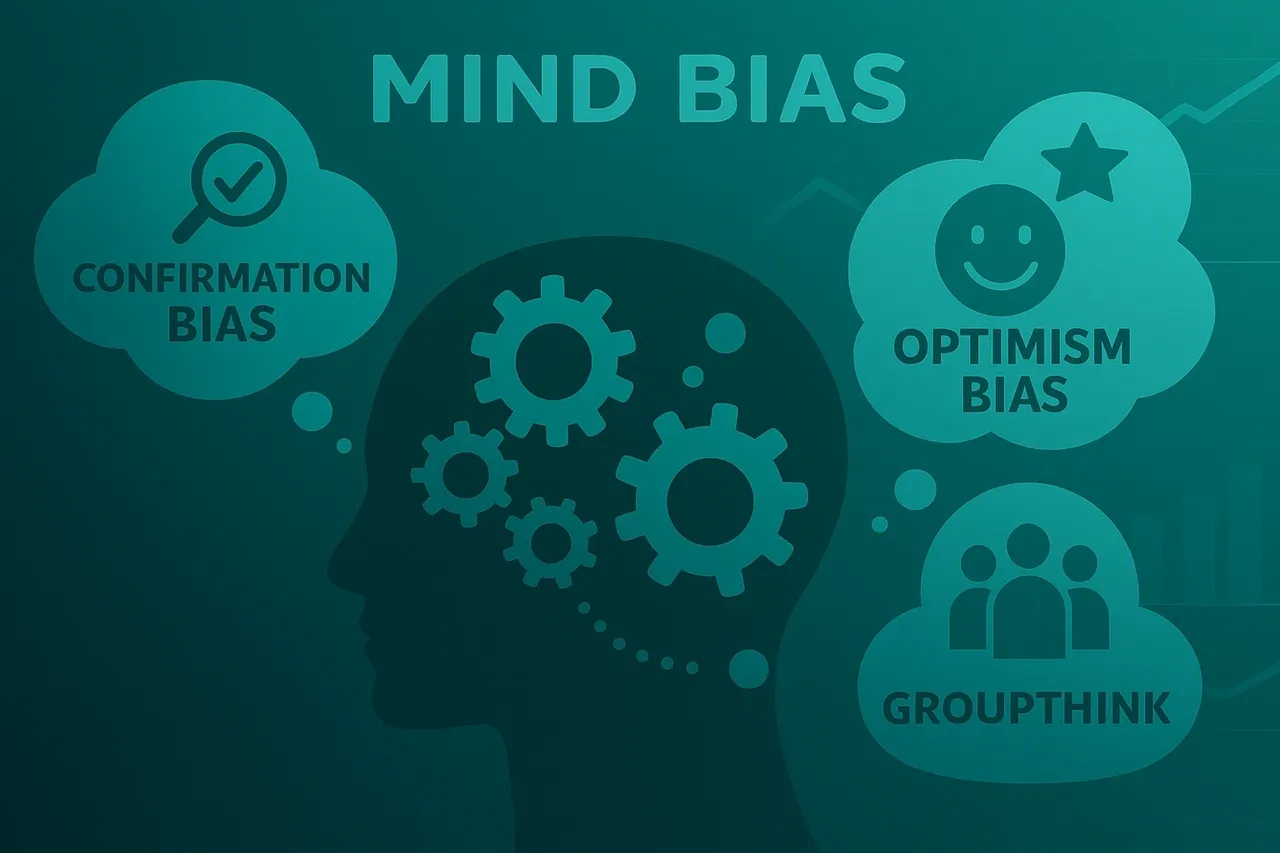
Common Thinking Traps in Pharma M&A
Deal teams work under tight deadlines and pressure to meet targets. This can lead to these well-known biases:
- Confirmation Bias: We look for information that supports what we already believe. BD teams may focus on positive clinical data and ignore payer concerns.
- Optimism Bias: We tend to believe things will turn out better than they actually do. For example, teams often forecast HTA approval rates of 80 % or more, yet true outcomes are nearer 55 %—around 20 % of products were rejected by NICE over the past five years, but 30 % of original submissions were withdrawn early.
- Groupthink: We value agreement so much that we avoid saying “no.” Market-access teams may stay quiet rather than risk being called deal blockers.
- Planning Fallacy: We underestimate how long and costly tasks will be. Teams rarely budget enough time or money for pricing and reimbursement discussions.
These biases add up, leading to too-high valuations and bad planning for payer hurdles.
How Biases Hurt Valuation and Forecasts
A recent survey found almost half of new drug launches fall short by 20 % or more of revenue forecasts. Delays in pricing agreements and reimbursement rejections are top reasons. When market-access warnings come too late, teams label them “fixable later,” causing expensive pivots after deals close.
How Independent HTA Assessment Helps
MARA’s 10-domain HTA framework acts like a “pre-mortem,” finding payer issues before term sheets are signed. Here’s how we counter each bias:
- Against Confirmation Bias – We compare your asset to 350+ similar cases, showing evidence gaps and payer needs you might miss.
- Against Optimism Bias – Our method—97 % accurate—turns past HTA results into realistic approval chances.
- Against Groupthink – An independent score adds a neutral view, so market-access can raise valid concerns without politics.
- Against the Planning Fallacy – We help map out the steps and time needed for evidence work and submission, aligning budgets with real-world timelines.
Making Market-Access a True Partner
To move from “obstacle” to strategic ally, market-access teams should:
- Add MARA Rating scores to deal scorecards as early as Phase II.
- Include access risk in valuation models with clinical and commercial risks.
- Hold cross-team workshops using independent assessments to align on payer evidence gaps.
- Grab your free HTA questions checklist for Market Access pros: https://www.linkedin.com/pulse/market-access-professionals-your-definitive-hta-checklist-ymryf/?trackingId=VfmsAZKYnTBBUVeEDbaqzw%3D%3D
These steps shift teams from firefighting after approval to preventing problems in advance—safeguarding deal value.
Now:
Subscribe to our newsletter for monthly HTA benchmarks: www.mararating.com
Follow MARA Rating for more independent HTA insights: linkedin.com/company/mara-rating-company
#MarketAccessRiskAssessment #HTAAssessment #MergersAndAcquisitions #CognitiveBias #MarketAccessBenchmark #PharmaInsights